Source Truck Alternator for Heavy Trucks, Buses, and Construction Equipment
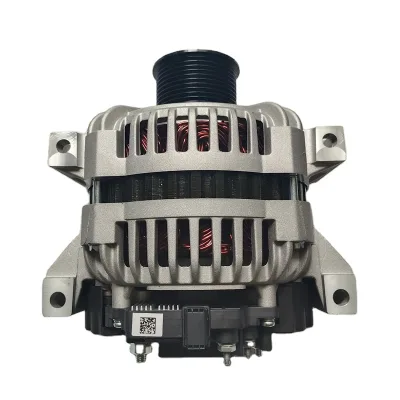
Explore 30 available truck alternator options from verified Chinese manufacturers. Buyers can compare specifications like voltage, output type, and part numbers to find suitable units for heavy trucks, buses, and construction machinery.
Key considerations
Products List


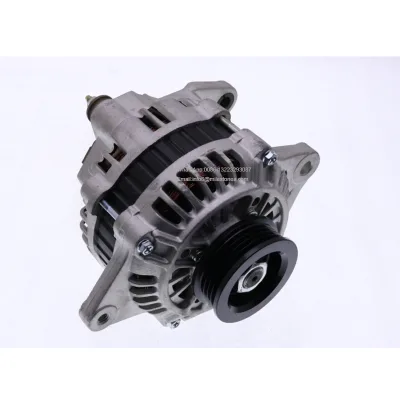
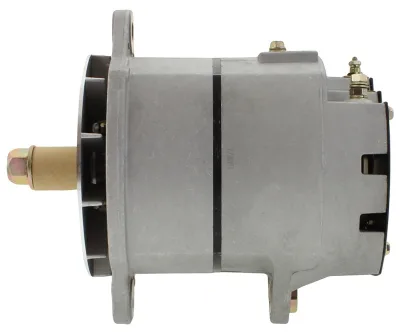
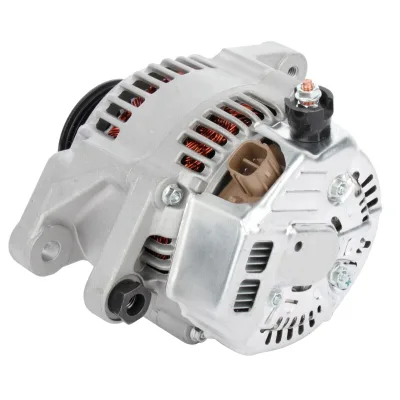
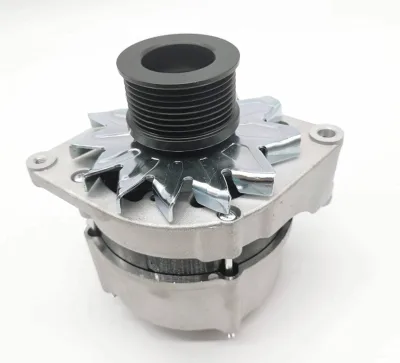




Comprehensive Sourcing Guide
Truck Alternator Sourcing Guide
Sourcing truck alternators requires a disciplined approach that balances technical compatibility with commercial reliability. The global market for these components is vast, with suppliers primarily originating from regions like China, where manufacturing capabilities are concentrated. Buyers must navigate a landscape defined by diverse part numbers, varying quality tiers, and specific installation requirements. This guide provides a structured framework for evaluating suppliers, verifying technical specifications, and ensuring long-term procurement success without relying on unverified claims or speculative data.
The foundation of effective sourcing lies in understanding the observed market signals. Listings often reveal a wide price range, from low-cost options to premium OEM-equivalent units, reflecting differences in materials, manufacturing processes, and certification levels. Minimum Order Quantities (MOQs) typically start at single units, allowing for sample testing, but scale up to fifty pieces for bulk orders. Delivery timelines are frequently cited as within ten days after payment, indicating a responsive supply chain, though this should be confirmed for each specific transaction.
Product Scope and Observed Listing Signals
The product scope for truck alternators encompasses a variety of configurations, including brushless designs and those with specific excitation modes like AC rotating exciters. Observed listings indicate that these units are often categorized under broader engine or electrical system parts, with specific attributes such as 24V voltage ratings and fixed installation methods. The color is predominantly black, and the units are designed for common units or car-type applications, suggesting versatility across different truck models and commercial vehicles.
Packaging and origin details provide additional context for logistics planning. Products are typically packed in carton cases, cardboard boxes, or standard packages, with some suppliers offering customization under client requirements. Origins vary, with specific mentions of Shandong province and general origins, while the main market is global. Buyers should note that while some listings mention ISO9001 certification, others reference ISO/TS16949: 2002 or SGS standards, highlighting the need to verify the exact quality management system in place for each supplier.
Technical Specifications to Verify
Technical verification begins with matching the part number and model to the specific truck make and model. Common part numbers observed include 1252994, VG1246090017, and 3701010-D473/JFZ270-0300, among others. Buyers must confirm the voltage output, which is typically 24V for heavy-duty applications, and ensure the current level aligns with the vehicle’s electrical demands, such as 5(50~59A). The structure of the alternator, whether brushless or with specific bonding types for magnetic field windings, is critical for performance and longevity.
Further technical checks involve the cooling method and stroke type. Water cooling is a common feature, ensuring efficient heat dissipation during operation, while the stroke type, such as eight stroke, may relate to the internal mechanism or associated engine components. The output type is generally AC single phase, and the voltage adjuster type is often electronic. Buyers should verify these specifications against the original equipment manufacturer (OEM) data to avoid mismatches that could lead to electrical system failures or reduced efficiency.
Compliance and Safety Documentation
Compliance documentation is essential for ensuring that the alternator meets international and regional safety standards. While CE certification is mentioned in background contexts, buyers should prioritize suppliers who provide verifiable proof of ISO9001 or ISO/TS16949: 2002 certification. These standards indicate a robust quality management system, which is crucial for maintaining consistency in manufacturing and reducing the risk of defects. Buyers should request copies of these certificates and verify their validity with the issuing bodies.
Safety and performance claims should be treated as observations rather than guaranteed outcomes. Suppliers may claim OEM quality, but this should be corroborated by test reports or third-party inspections. The standard size and standard package attributes suggest a level of uniformity, but buyers must ensure that the specific unit received matches the documented specifications. Documentation should also include details on the bonding type of magnetic field windings and the excitation mode, as these factors influence the alternator’s reliability under varying load conditions.
Cost Drivers and Commercial Terms
Cost drivers for truck alternators include the quality of materials, the complexity of the design, and the level of customization required. OEM-quality units typically command higher prices due to stricter manufacturing tolerances and higher-grade components. Customization options, such as specific packing requirements or voltage adjuster types, can also impact the final cost. Buyers should analyze the total cost of ownership, including shipping, duties, and potential replacement costs, rather than focusing solely on the unit price.
Commercial terms, including MOQ and lead time, play a significant role in procurement planning. With MOQs starting at one piece, buyers can test suppliers with small orders before committing to larger volumes. Lead times of within ten days after payment are common, but this should be confirmed for each order, especially during peak seasons. Payment terms and shipping methods should be clearly defined in the contract to avoid disputes. Buyers should also consider the supplier’s flexibility in handling urgent orders or changes in specifications.
Supplier Qualification and Quality Control
Supplier qualification involves a thorough assessment of their manufacturing capabilities, quality control processes, and customer service. Buyers should verify the supplier’s origin, with Shandong being a notable hub for such components, and check their track record in the global market. Quality control measures, such as ISO9001 certification and adherence to ISO/TS16949: 2002, are strong indicators of a supplier’s commitment to quality. Buyers should request samples for testing and evaluate the consistency of product quality across multiple orders.
Quality control should also extend to the packaging and shipping process. Proper packaging, such as carton cases or cardboard boxes, is essential to prevent damage during transit. Buyers should inspect the packaging for signs of wear or damage upon receipt and verify that the product matches the ordered specifications. Establishing a clear communication channel with the supplier for addressing quality issues is crucial for maintaining a reliable supply chain. Regular audits or third-party inspections can provide additional assurance of supplier performance.
Long-Term Procurement Checks
Long-term procurement success depends on continuous monitoring of supplier performance and market trends. Buyers should establish key performance indicators (KPIs) such as on-time delivery rate, product defect rate, and responsiveness to issues. Regular reviews of these metrics can help identify potential problems early and allow for corrective actions. Building a relationship with the supplier based on transparency and mutual benefit can lead to better pricing, priority service, and access to new products.
Market dynamics, such as changes in regulations or technological advancements, can impact the availability and cost of truck alternators. Buyers should stay informed about these changes and adjust their sourcing strategies accordingly. For example, the shift towards more efficient electrical systems in trucks may require updates to alternator specifications. Maintaining a diversified supplier base can mitigate risks associated with single-source dependencies and ensure continuity of supply. Regularly updating the supplier qualification process ensures that the procurement team remains aligned with the latest industry standards and best practices.
FAQs
What is the voltage rating for these truck alternators?
The voltage rating is 24V for the listed units. This specification ensures compatibility with standard heavy-duty truck electrical systems. Buyers should verify their vehicle's electrical requirements before purchase to ensure proper integration and reliable power generation for onboard components.
Can these alternators be customized for specific truck models?
Yes, customization is available for these engine parts. Manufacturers offer flexible packaging options, including carton cases or client-specific requirements. This adaptability allows buyers to tailor the product to their exact logistical needs and specific truck model configurations without compromising quality.
What certifications do these truck alternator suppliers hold?
Suppliers hold ISO9001 certification for quality management. Some listings also reference ISO/TS16949: 2002 and SGS standards. These certifications indicate adherence to international quality control processes, ensuring that the manufactured parts meet rigorous industry standards for durability and performance in automotive applications.
How long is the delivery time for these parts?
The delivery detail specifies shipping within 10 days after receiving payment. This lead time applies to the listed engine and alternator components. Buyers should account for this timeframe when planning inventory replenishment to ensure timely installation and minimal downtime for their fleet vehicles.
What is the minimum order quantity for these alternators?
The minimum order quantity is 1PC for the listed items. This low MOQ allows buyers to test product quality or order small replacements without committing to large bulk purchases. It provides flexibility for both individual repairs and small-scale fleet maintenance operations.
Where are these truck alternators manufactured?
The products originate from China, with specific mentions of Shandong as a production location. General origins are also noted for certain items. Buyers should consider this geographic sourcing when evaluating logistics costs, import regulations, and supply chain reliability for their specific regional requirements.